

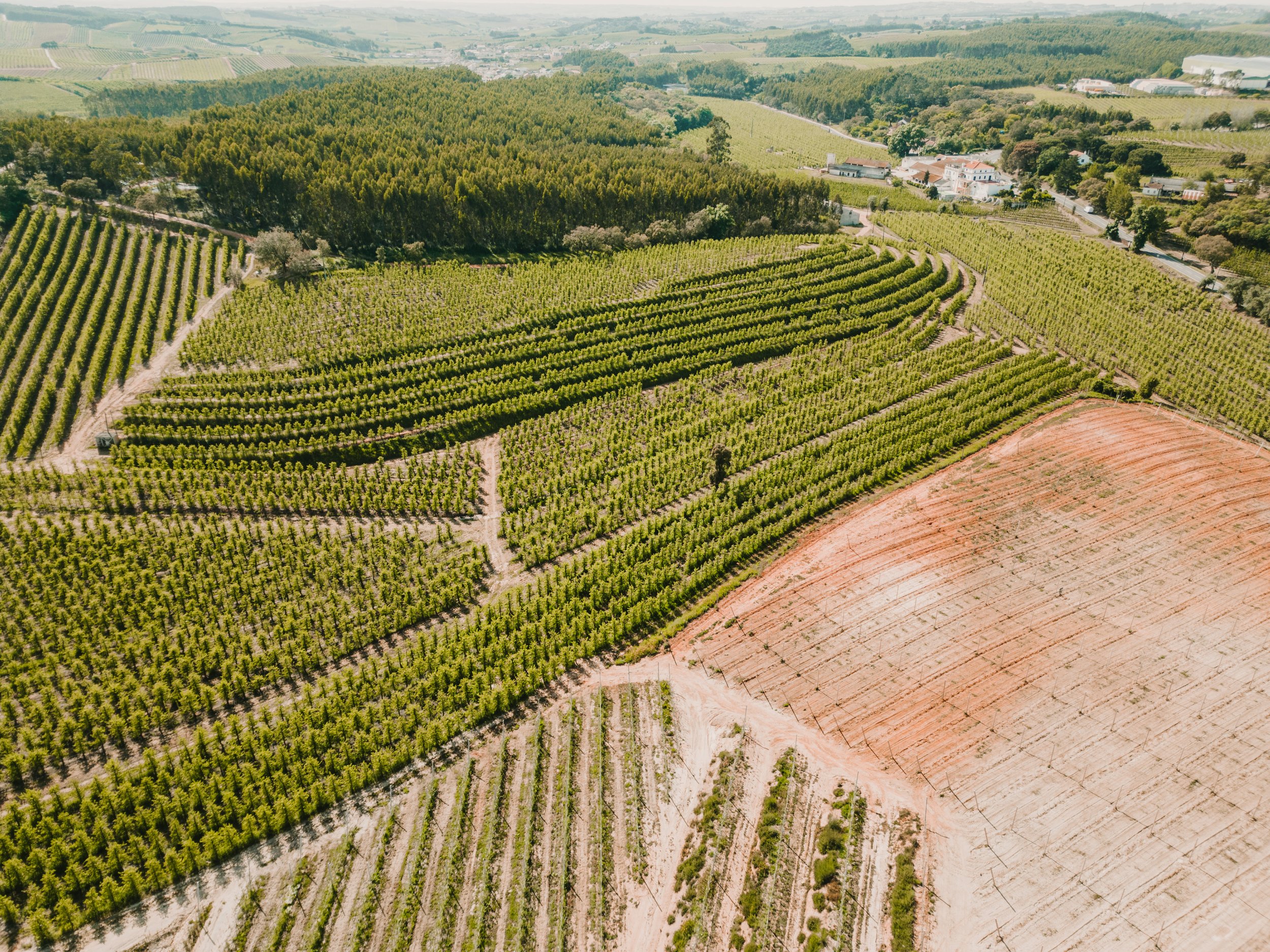
RESHAPING THE FRUIT INDUSTRY
Innovation and sustainability are transforming the fruit industry by improving efficiency while protecting the environment. Through smart farming technologies and sustainable growing practices, producers can reduce waste, save resources, and deliver healthier fruit for the future.
INNOVATION IN AGRICULTURAL PRODUCTION
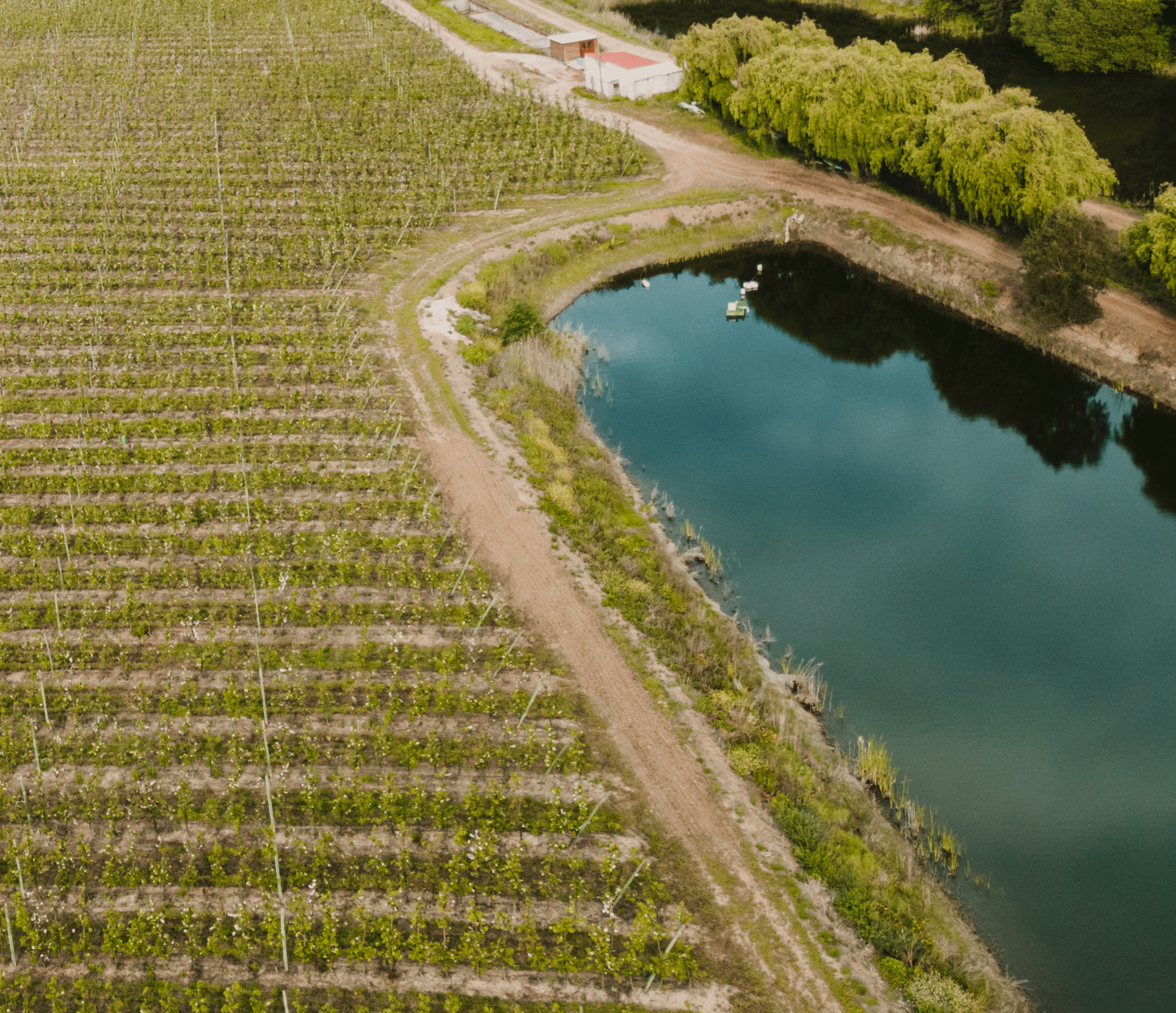
Frutus is committed to innovation in agriculture, adopting sustainable technologies and practices that:
Preserve natural resources
Promote more efficient use of water and soil
Optimize production, ensuring quality, safety and long-term sustainability
We have advanced agricultural production systems and are integrating innovative technologies, such as the application of products using drones, ensuring greater precision, efficiency and sustainability in production processe.
MONITORING, TECHNICAL DECISION-MAKING, AND ON-SITE PROXIMITY
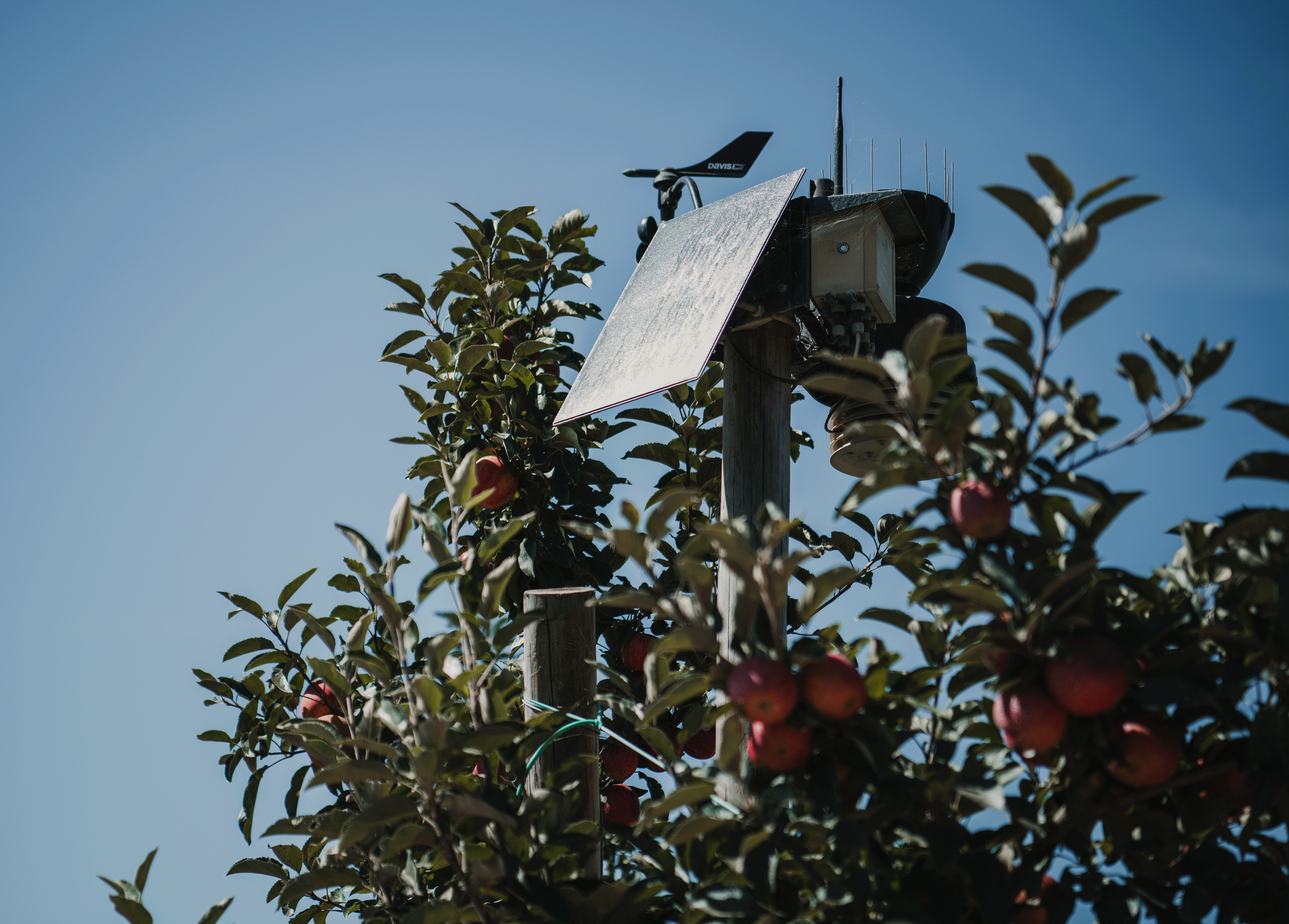
Cultural operations are carried out based on technical knowledge and constant monitoring of crops, ensuring interventions that are appropriate to the real needs of each situation.
Frutus maintains a strong link between the farmer and the technical team, based on:
Proximity and continuous monitoring in the field
Constant sharing of knowledge
High technical capacity for informed and effective decisions
This combination ensures the application of best agricultural practices and the continuous evolution of production systems.
SUSTAINABLE AGRICULTURAL PRACTICES
We adopt low-impact agricultural methods, including:
Use of mating disruption devices
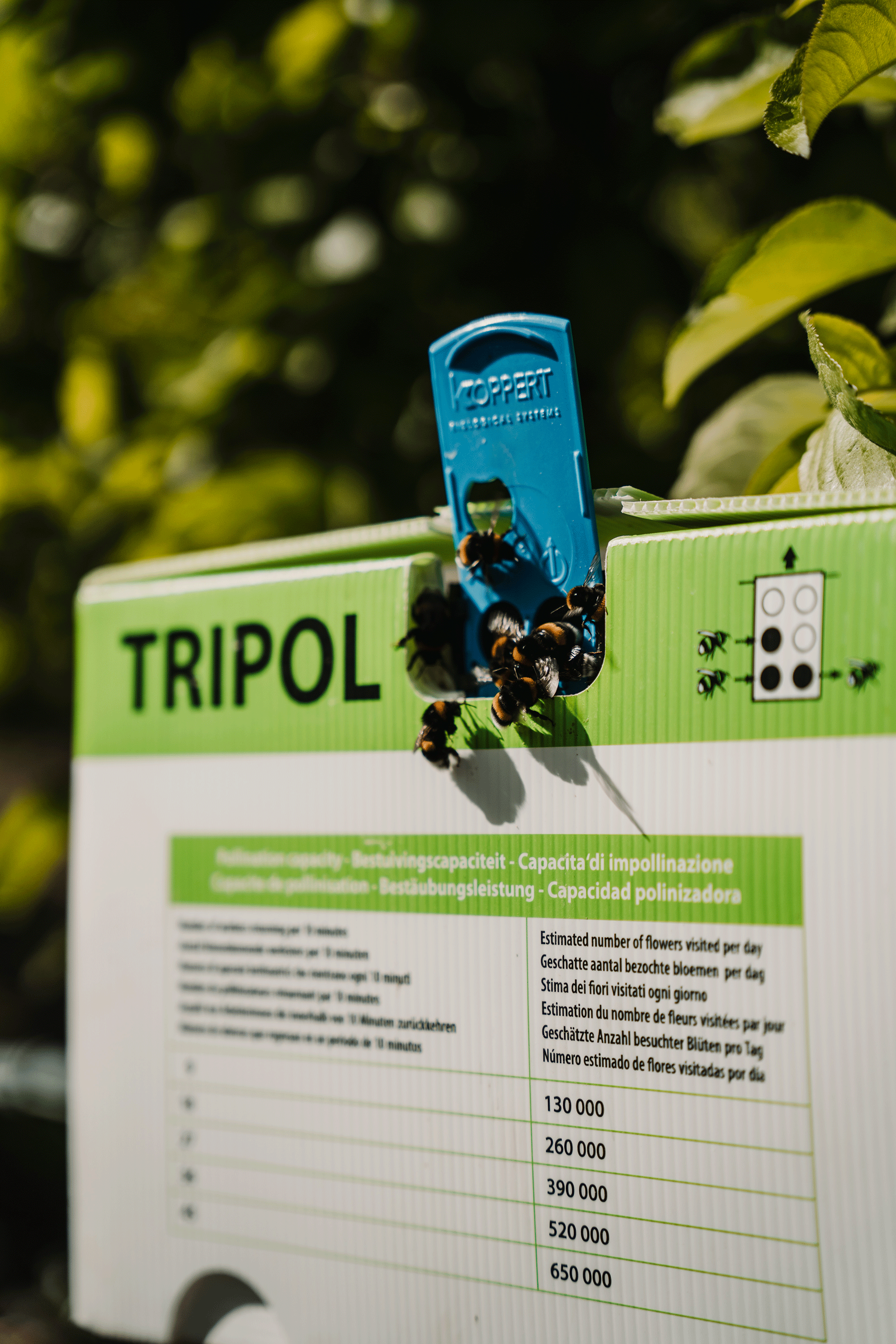
Release of beneficial insects for biological pest control
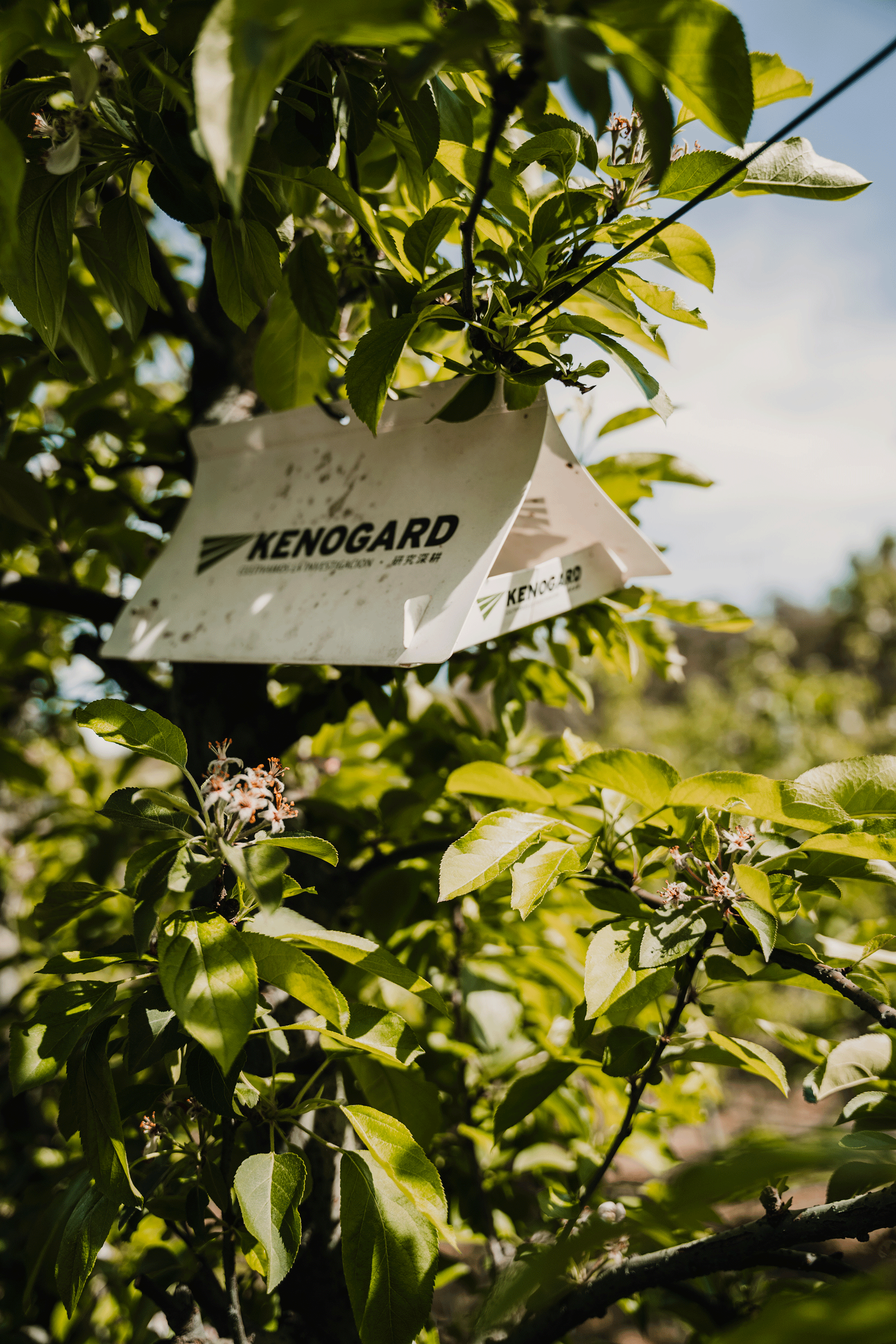
Installation of mass trapping for fly control
In addition, we use no-till farming, promoting:
Conservation of soil structure
Protection of biodiversity
More efficient use of natural resources
These practices contribute to a more balanced, sustainable, and efficient agriculture.
R&D PROJECTS
Working together with research institutions, universities, and other entities allows us to monitor the evolution of the sector, test new approaches, and incorporate technical knowledge that contributes to the continuous improvement of practices and results.

Go FITOAGRO
Monitoring and studying the life cycle of emerging pests in the region in order to define the risk assessment and the NEA (Negative Environmental Assessment) with the aim of producing information for their control based on strategies alternative to chemical control.
Start: 2018 / End: 2021
To study the evolution of Stemphylium leaf spot in 'Rocha' pear cultivation and to apply a set of practices that minimize the impact of the disease, based on the optimized use of resources (water, fertilization, biological control agents and fungicides).
Start: 2018 / End: 2021

Go PROTECESTENFILIO
RE-EAT Rocha Pear
The Re-Eat project involves the development of innovative solutions for restoring the ripening capacity after treatment with 1-MCP and ensuring the characteristic quality of Portuguese Rocha pears upon arrival to national and international consumers.
Start: 2019 / End: 2022
PHENOBOT
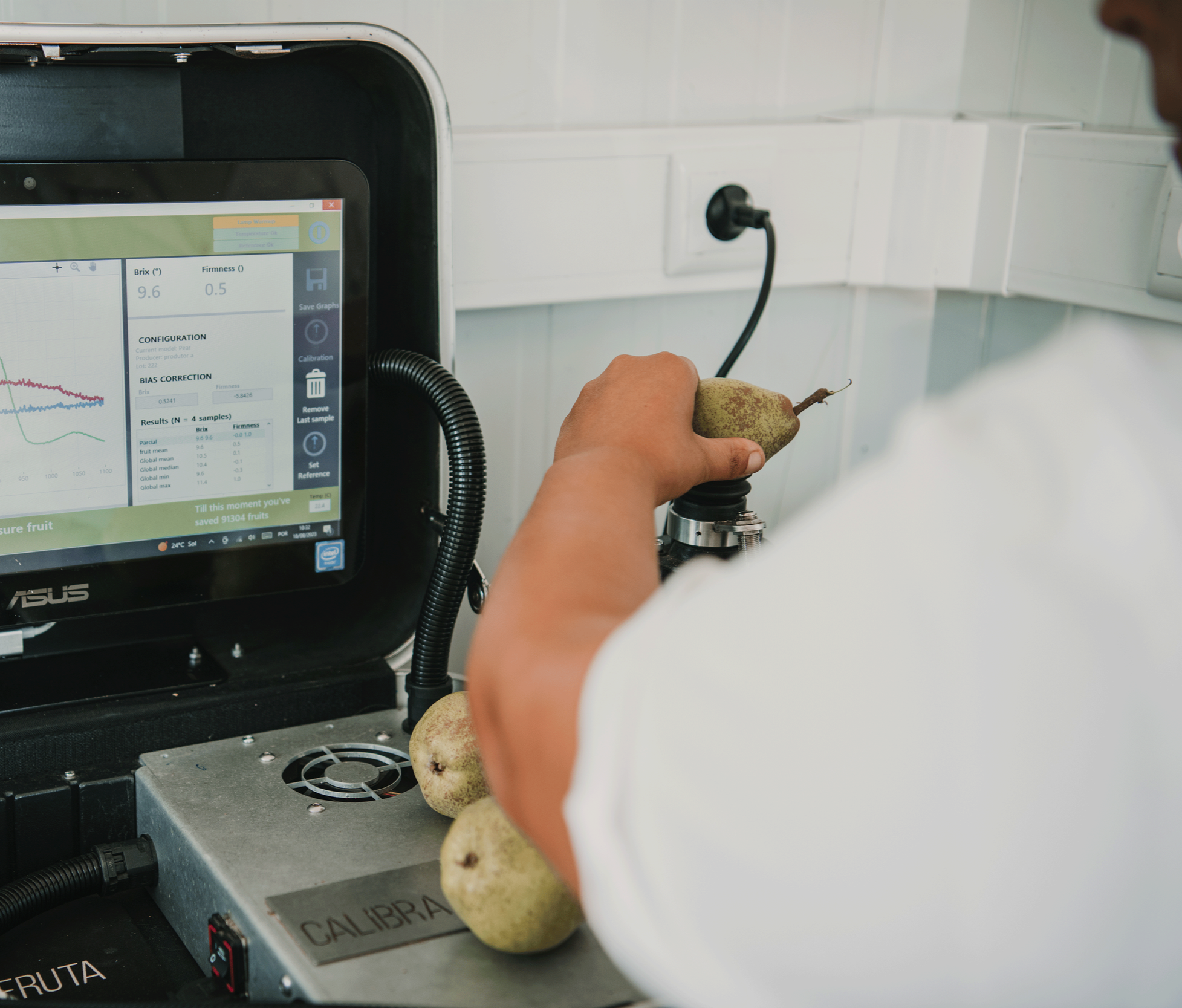
The project aims to implement a decision support system based on the plant's physiological response, using 'Metbots' technology. This robotic platform will be complemented by a new device for monitoring volatile metabolites 'in-vivo' and 'in-situ'.
Start: 2022 / End: 2025

AgronomIA
Creation of a Development, Demonstration and Training Hub that enables the widespread adoption of digital and sustainable agriculture, regardless of farm size, through the adoption of augmented and virtual reality technologies.



Start: 2023 / End: 2025
EN
BIOFAGO
The main purpose of the BioFago project is to use viruses that specifically kill bacteria (bacteriophages) as disease biocontrol agents. Bacteriophages need bacteria to survive and become active when they come into contact with the host bacteria.
PT
O projeto BioFago tem como objetivo principal utilizar bacteriófagos, vírus que atacam e eliminam bactérias específicas, como uma forma de controlar a doença. Estes vírus só sobrevivem na presença das bactérias e tornam-se ativos quando entram em contacto com a bactéria que infetam.



Start: 2023 / End: 2025
EN
PT

DEMO.net
To investigate innovative models of knowledge and demonstration networks, as well as methodologies for debate and sharing.
Investigar modelos inovadores de redes de conhecimento e demonstração, bem como metodologias de debate e partilha.



Start: 2023 / End: 2025
Develop high-quality and safe fruit preparations (Rocha Pear PDO and Alcobaça Apple PGI), enriched with protein and fiber concentrates obtained from rejected fruit biomass.
Start: 2025 / End: 2028
FruTOTAL